Welcome back to National Parks and other public lands with T!


My first stop in Hyde Park was to the Wallace Visitor and Education center where I watched the short film and then spoke to the rangers about making the most of my day. After touring Springwood, FDR’s home, I drove two miles to Eleanor Roosevelt’s Val-Kill.

This is the only National Historic Site dedicated to a First Lady, and it honors none other than Eleanor Roosevelt. I first encountered her story back in grade school, assigned her biography for a book report. Even then, I had an inkling that she was someone extraordinary. Walking through her home years later, guided by the thoughtful insights of the park ranger, confirmed it—she was truly an incredible woman.

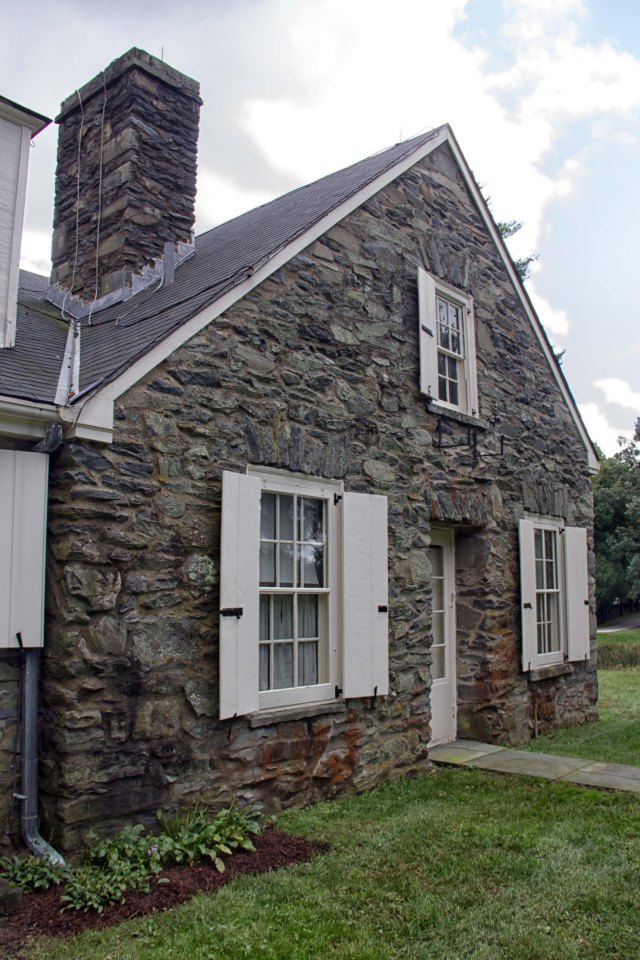
In 1927, Eleanor Roosevelt and three other women founded Val-Kill Industries on this site, aiming to support the local farming community by providing supplemental income. Here, local artisans crafted colonial revival furniture and pewter work, blending traditional craftsmanship with economic opportunity. However, in 1938, as the Great Depression took its toll, the factory closed. The space was transformed into a cottage, which later became Eleanor’s permanent home after her husband’s passing.


As the wife of a president disabled by polio, Eleanor Roosevelt took on a more active public role than any First Lady before her. Frequently stepping in for her husband, she made public appearances on his behalf and became a powerful, outspoken advocate for civil rights. Beyond her public presence, she connected with the nation through a daily newspaper column and even hosted a weekly radio show, using every platform available to promote social justice and equality.

Post FDR➤
After FDR’s death, Eleanor prepared Springwood, which had always felt more like her mother-in-law’s home, for transfer to the National Park Service. She moved into the more modest Val-Kill cottage and began the second stage of her political career.


She became the United States Delegate to the United Nations General Assembly from 1945 to 1952. There she helped to author the Bill of Human Rights.

She also entertained various politicians and foreign dignitaries in her simple cottage. There are photos of John F Kennedy drinking from one of the generic diner-type glasses in her dining room. The few luxurious items on display in the house were Eleanor’s family heirlooms…she didn’t care for anything ostentatious.

JFK visited Eleanor at Val-Kill because he wanted her endorsement in his bid for president. She had supported his opponent in the democratic primaries and agreed to support Kennedy only if he would promise to work towards improving the rights of minorities and women. In 1961, President Kennedy appointed Roosevelt to chair the Commission on the Status of Women. She died shortly before the commission issued its report.


The family offered Val-Kill to the National Park Service. The NPS initially declined due to lack of funds and so the estate was sold to developers. A non-profit ‘friends’ organization began a campaign to preserve Eleanor Roosevelt’s legacy and Val-Kill was designated a National Historic Site in 1977.


Hyde Park posts➤
- FDR Presidential Library
- Eleanor Roosevelt National Historic Site
- Gardens at Bellefield
- Home of FDR National Historic Site
- Vanderbilt Mansion National Historic Site

Location: 106 Valkill Park Rd, Hyde Park, New York
Designation: National Historic Site
Date designated/established: May 27, 1977
Date of my visit: October 3, 2018